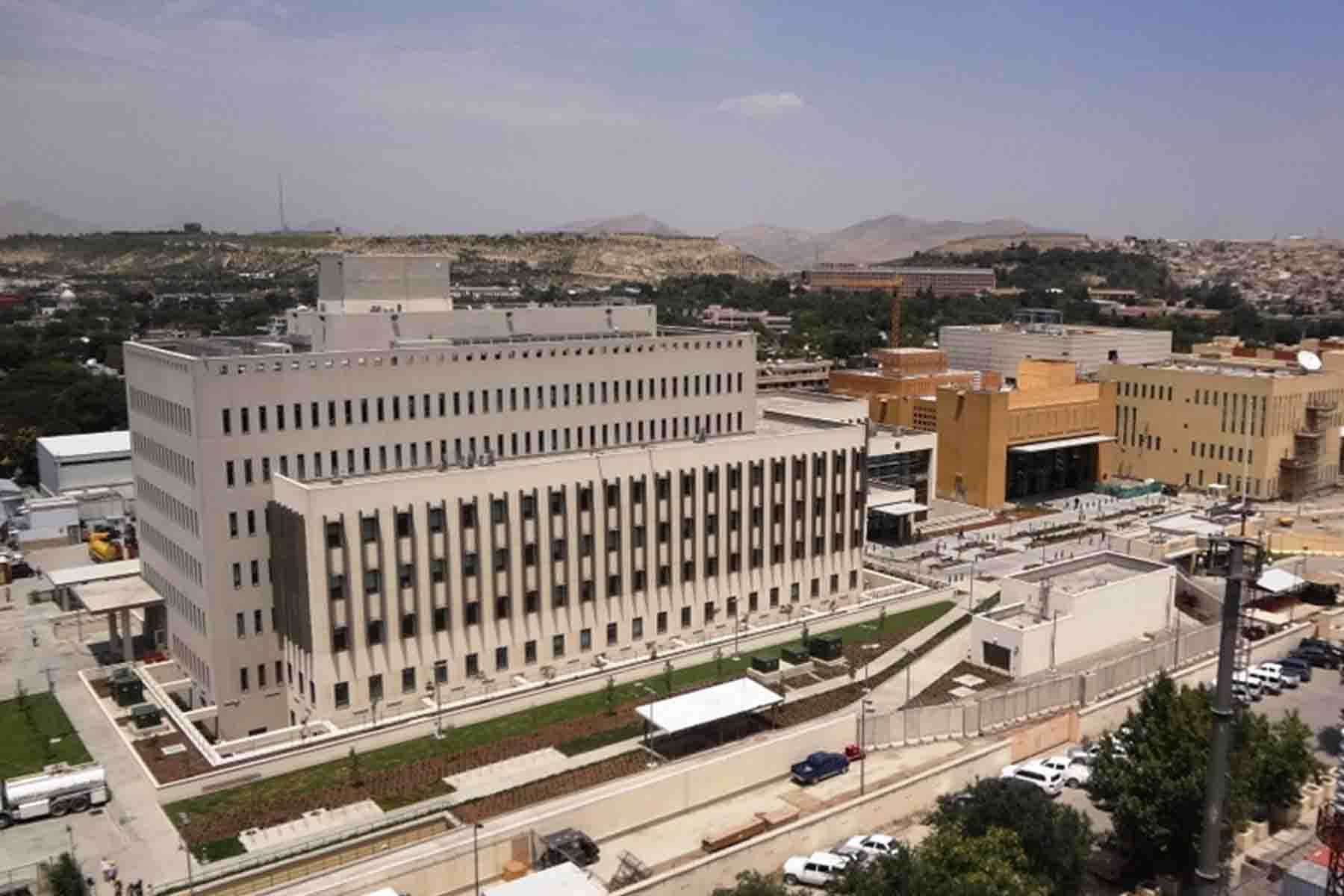
India to Reopen Kabul Embassy After Four-Year Hiatus
In a significant diplomatic development, India has announced the reopening of its embassy in Kabul, marking its first formal engagement with the Taliban since their takeover of Afghanistan in 2021. The decision underscores India’s strategic interest in thunderkick casino maintaining a presence in Afghanistan amid shifting regional dynamics.
The reopening ceremony was attended by Indian External Affairs Minister S. Jaishankar and Afghan Foreign Minister Amir Khan Muttaqi. During the event, India gifted several ambulances to Afghanistan, symbolizing its commitment to humanitarian assistance and regional stability. Minister Jaishankar emphasized that the embassy’s reopening is not an endorsement of the Taliban’s governance but a pragmatic approach to safeguard India’s interests and engage in constructive dialogue.
This move comes after a period of strained relations and diplomatic isolation following the Taliban’s return to power. India had previously evacuated its diplomatic staff and suspended operations in Kabul, citing security concerns. However, with the evolving geopolitical landscape and the Taliban’s attempts to project a more moderate image, India has reassessed its position.
Analysts view the embassy reopening as a calculated step by India to counterbalance China’s growing influence in Afghanistan and to ensure that its strategic interests are not sidelined. India has been actively involved in developmental projects in Afghanistan, including infrastructure and humanitarian aid, and seeks to continue these initiatives under the new regime.
The international community will be closely monitoring India’s engagement with the Taliban, as it could set a precedent for other nations considering similar diplomatic overtures. India’s approach may influence the broader regional strategy towards Afghanistan and its integration into the global community.
In conclusion, India’s decision to reopen its embassy in Kabul reflects a pragmatic shift in foreign policy, balancing national interests with regional stability. While the move may not signify full recognition of the Taliban government, it opens avenues for dialogue and cooperation in areas of mutual concern.