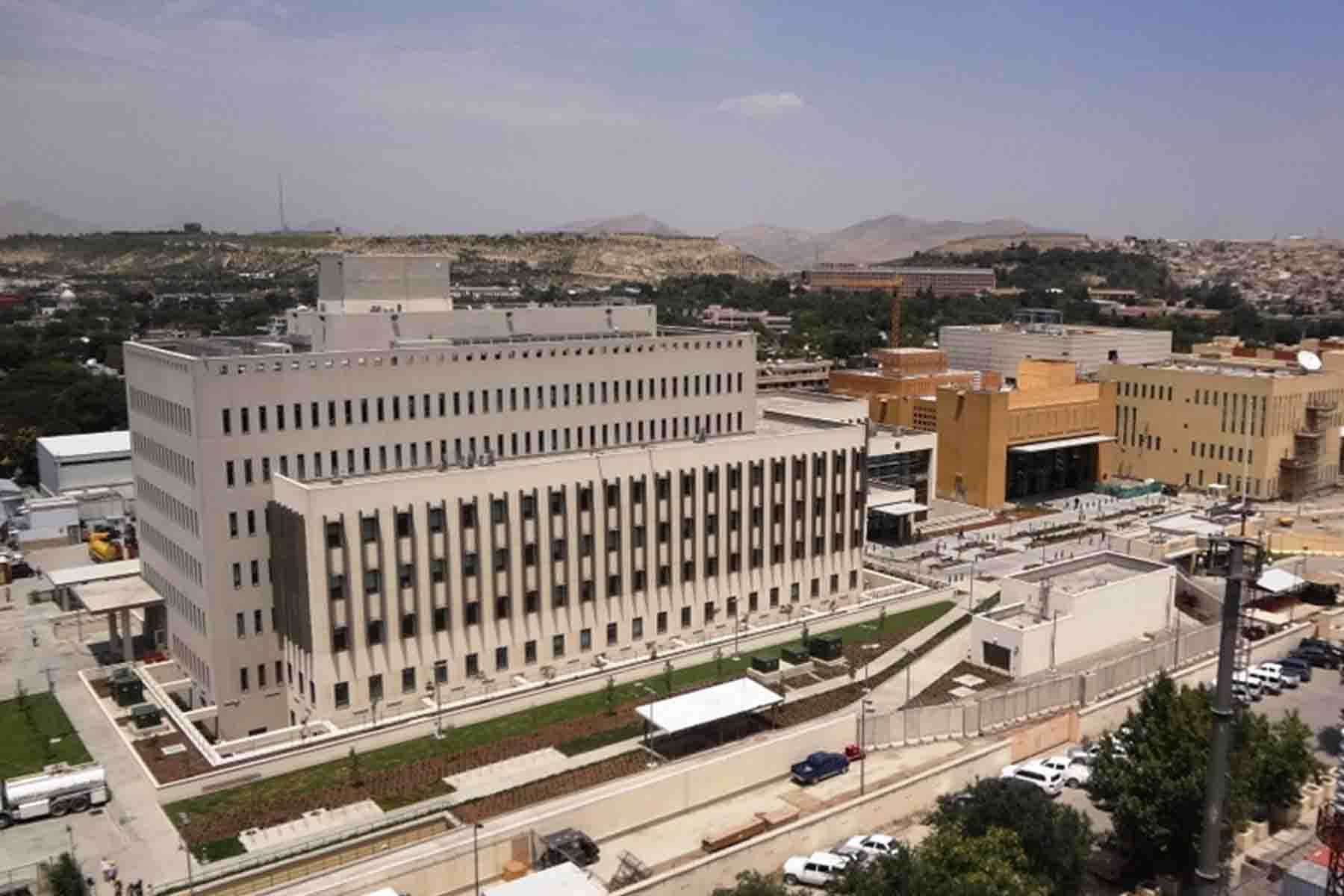
India to Reopen Kabul Embassy After Four-Year Hiatus
In a significant diplomatic development, India has announced the reopening of its embassy in Kabul, marking its first formal engagement with the Taliban since their takeover of Afghanistan in 2021. The decision underscores India’s strategic interest in thunderkick casino maintaining a presence in Afghanistan amid shifting regional dynamics.
The reopening ceremony was attended by Indian External Affairs Minister S. Jaishankar and Afghan Foreign Minister Amir Khan Muttaqi. During the event, India gifted several ambulances to Afghanistan, symbolizing its commitment to humanitarian assistance and regional stability. Minister Jaishankar emphasized that the embassy’s reopening is not an endorsement of the Taliban’s governance but a pragmatic approach to safeguard India’s interests and engage in constructive dialogue.
This move comes after a period of strained relations and diplomatic isolation following the Taliban’s return to power. India had previously evacuated its diplomatic staff and suspended operations in Kabul, citing security concerns. However, with the evolving geopolitical landscape and the Taliban’s attempts to project a more moderate image, India has reassessed its position.
Analysts view the embassy reopening as a calculated step by India to counterbalance China’s growing influence in Afghanistan and to ensure that its strategic interests are not sidelined. India has been actively involved in developmental projects in Afghanistan, including infrastructure and humanitarian aid, and seeks to continue these initiatives under the new regime.
The international community will be closely monitoring India’s engagement with the Taliban, as it could set a precedent for other nations considering similar diplomatic overtures. India’s approach may influence the broader regional strategy towards Afghanistan and its integration into the global community.
In conclusion, India’s decision to reopen its embassy in Kabul reflects a pragmatic shift in foreign policy, balancing national interests with regional stability. While the move may not signify full recognition of the Taliban government, it opens avenues for dialogue and cooperation in areas of mutual concern.

India launches a large-scale program for digitalization of rural regions through the creation of a network of IT hubs.
The Government of India, at the initiative of the Ministry of Electronics and Information Technology, has launched an ambitious project to create 500 technology centers in small towns and rural areas. This $250 million project aims to bridge the digital divide between urban and rural areas and create new opportunities for remote employment.
Each IT hub is a state-of-the-art technology center equipped with high-speed internet, computer hardware and necessary software. These hubs will serve several key functions:
Digital skills training – providing courses in programming, web development, digital marketing and other in-demand IT areas for local residents.
Co-working areas – providing equipped workspaces for freelancers and remote workers.
Outsourcing services – organizing data centers and call centers for large companies.
Startup support – consulting and resources for the development of local technology projects.
Pilot centers, already launched in several states, have shown impressive results: the average income growth of program participants was 30%, and the level of employment in the IT sphere in these regions increased by 25%. Special attention is paid to the involvement of women and youth – about 40% of program participants are women, many of whom previously had no access to digital professions.
The project is being implemented in partnership with major technology companies including TCS, Infosys and Wipro, which provide educational programs and guarantee employment for the best graduates. The network of IT hubs is expected to provide sustainable remote employment to 100,000 professionals across the country by 2027, contributing significantly to reducing unemployment and economic development in rural areas.
The initiative is part of the national Digital India strategy to make the country a global digital hub. Experts note that the successful implementation of the project could become a model for other developing countries facing the problem of digital divide between urban and rural areas.
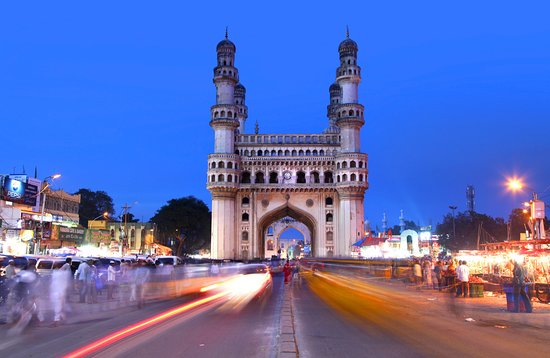
Hyderabad is becoming a hub for pharmaceutical innovation with the creation of India’s largest $1.5 billion research cluster.
Hyderabad is becoming a hub for pharmaceutical innovation with the creation of India’s largest $1.5 billion research cluster. Leading national pharmaceutical companies including Dr. Reddy’s Laboratories, Sun Pharma and Biocon have teamed up with government research institutes for this ambitious project. The 50-hectare site will host a massive infrastructure including a Biosimilar Development Center, gene therapy laboratories, manufacturing facilities for next-generation vaccines and a biotech startup gas pedal. The main focus of research will be on the creation of drugs for the treatment of cancer, new-generation insulins, vaccines against tropical diseases and genetically engineered therapeutics.
The project is receiving significant government support: 30% R&D tax incentives, accelerated regulatory approval procedures and special customs conditions for equipment imports. The cluster is expected to reduce the time to bring new drugs to market from 7 to 4 years and increase India’s share of the global biosimilars market to 25%. The project will create 10,000 highly qualified jobs, and it is planned to attract $500 million of foreign investment in the first 5 years.
Special attention is paid to personnel training – the Academy of Pharmaceutical Sciences with joint programs of MIT and Swiss technical universities is being created on the basis of the cluster. The first production facilities will start operating in 2026, and the project is expected to be fully completed by 2029. This ambitious project will strengthen India’s position as the “pharmacy of the world,” reduce dependence on imports of complex biologics, and is estimated to generate up to $5 billion in annual revenue from exports of innovative medicines by 2030. The realization of the cluster marks a new stage in the development of the Indian pharmaceutical industry, bringing the country to the forefront of biotechnology and the development of advanced therapeutic solutions.

India launches a grandiose infrastructure project the East-West Economic Corridor
India has completed the first phase of the large-scale transportation project “East-West Economic Corridor”, which will become a new artery of the national logistics system. This ambitious infrastructure megaproject will connect the port facilities of Goa with the industrial centers of West Bengal, creating a continuous transport chain over 2,000 kilometers long.
The $12.5 billion project includes construction of:
8-lane expressways with intelligent traffic management system
12 modern multimodal logistics hub
25 automated cargo terminals
Specialized railway lines for container transportation
Special attention is paid to the introduction of “green” technologies: charging stations for electric trucks and regenerative power supply systems are being created along the entire route.
The economic effect of the project is already being seen:
✔ Reduction of cargo delivery time between the west and east coasts from 7 to 3.5 days
✔ Reduction of logistics costs by 25-30%
✔ Creation of 150,000 new jobs
✔ Increase GDP of participating states by 1.2-1.8%
Full completion is scheduled for 2028, but the corridor already serves up to 15% of interregional freight traffic. The project has become a key element of the national “Gati Shakti” program and demonstrates India’s determination to modernize its transport infrastructure to boost economic growth.
Analysts note that the realization of such a large-scale corridor will not only strengthen domestic trade ties, but also increase the competitiveness of Indian goods in global markets by reducing the cost of logistics.
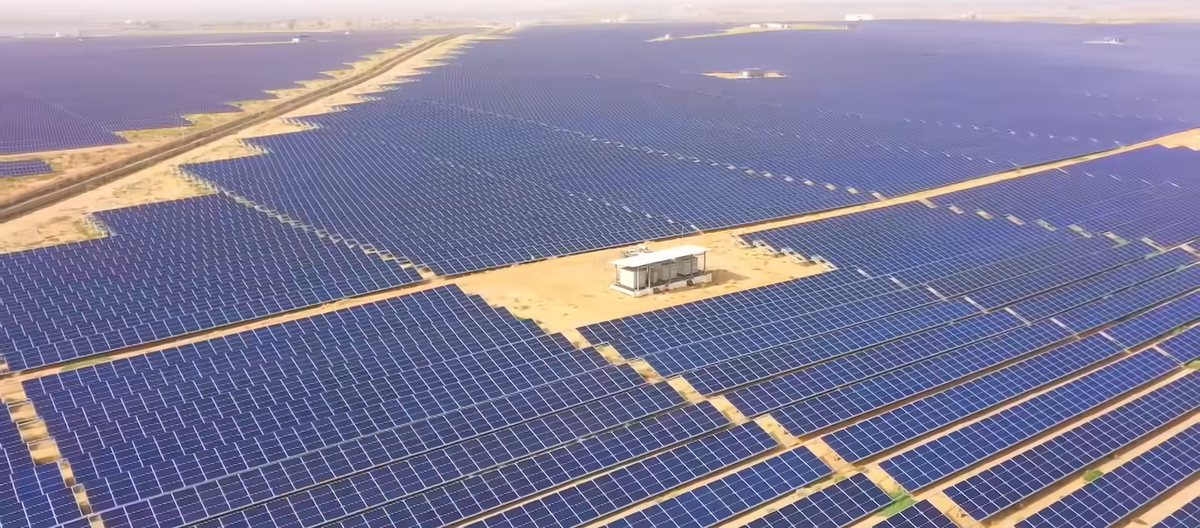
India launches grandiose solar power project in the Thar Desert
In the state of Rajasthan, construction has begun on one of the largest solar power plants in the world with a capacity of 5 gigawatts, which will be an important step in the implementation of the national program of transition to renewable energy sources. The $3.2 billion project will be located on an area of about 10,000 hectares in the Thar Desert, where high solar insolation creates ideal conditions for generating clean energy.
Construction is being carried out by a consortium involving the Indian state-owned Solar Energy Corporation of India (SECI) and several private energy corporations, including Adani Green Energy and Tata Power Solar. A special feature of the project will be the use of innovative bilateral (bifacial) solar panels that can capture reflected light from the sandy surface, increasing the overall efficiency of the plant by 15-20%.
The facility’s infrastructure will include its own transformer substation and a 1 GWh energy storage system using lithium-ion batteries, which will smooth generation fluctuations and ensure a stable supply of electricity to the grid. Once operational, the plant will be able to provide electricity to about 3 million households and reduce CO2 emissions by 8 million tons annually.
The project has received significant government support, including soft loans from the World Bank and tax vacations for the first five years of operation. Its implementation will strengthen India’s position as a world leader in solar energy – the country already ranks fifth in installed solar capacity and plans to reach 500 GW of renewable energy by 2030.
Construction will be carried out in phases, with the first 1GW phase due to be commissioned in 2026 and full capacity to be reached by 2029. This project will not only contribute to the country’s energy security, but will also create about 10,000 jobs, including highly qualified positions for engineers and technicians. Experts note that the successful implementation of such a large-scale initiative could become a model for other developing countries seeking an energy transition.
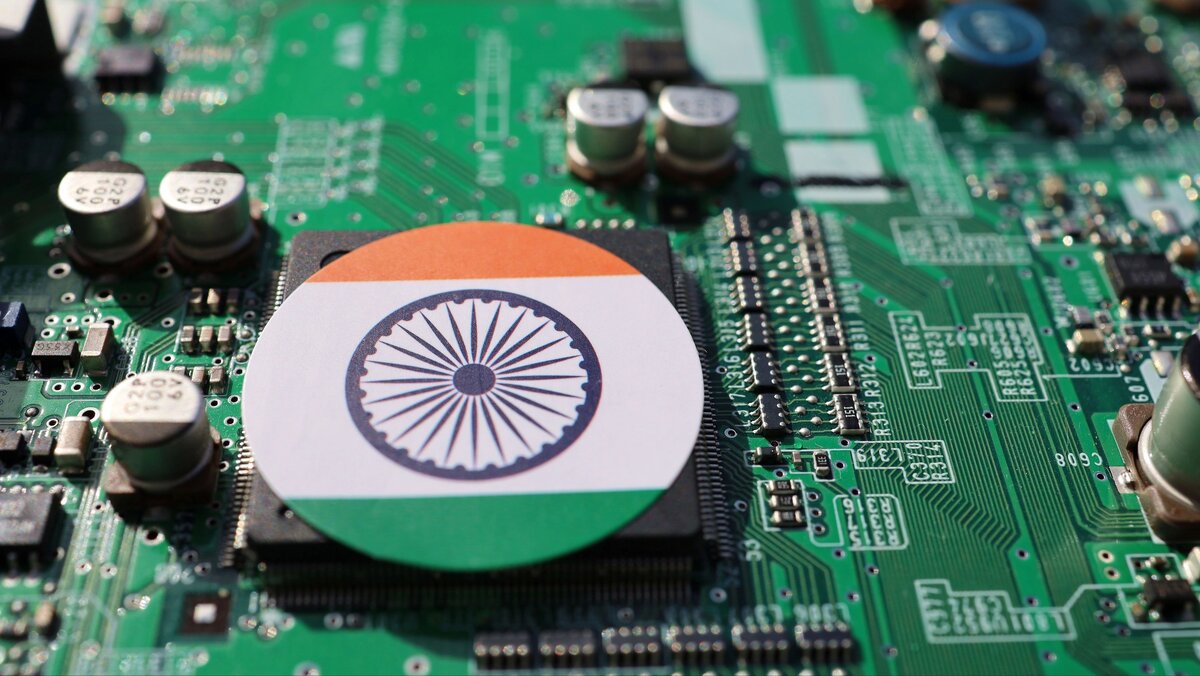
India takes a strategic step in the semiconductor industry details of a large-scale project in Gujarat.
The Government of India has officially authorized the construction of the country’s first mega semiconductor manufacturing plant in the industrial area of Dholera, Gujarat. This ambitious $10 billion project will be a key element of the India Semiconductor Mission program aimed at developing the nation’s microelectronics industry. The project is being implemented by a consortium involving India’s Tata Electronics, Taiwan’s TSMC (as technology partner) and Japan’s Specialty Equipment Corporation.
The enterprise will specialize in the production of 28-nanometer chips, demanded in automotive electronics, home appliances, telecommunications equipment and industrial control systems. The production capacity will be up to 50,000 silicon wafers monthly. Government support includes a 50% subsidy on capital expenditures under the Production Linked Incentive (PLI) scheme, tax vacations for the first 10 years of operation and guarantees of infrastructure support.
The economic significance of the project cannot be overemphasized. India currently imports 95% of its semiconductors worth $24 billion a year, and the new plant will be able to cover up to 20% of domestic demand. In addition to reducing import dependence, the project will create 5,000 highly skilled jobs and another 15,000 related positions. Special attention is being paid to the development of the R&D ecosystem – an innovation cluster with leading Indian Institutes of Technology (IITs) and international partners is planned to be created around the plant.
According to the implementation schedule, the plant is expected to be completed by 2025, with commissioning and test runs scheduled for 2026 and full production capacity expected in 2027. This project will be a major test for the Indian technology industry and could be the beginning of the country’s transformation into a global chip manufacturing center. According to experts, the success of the enterprise will largely depend on the effectiveness of training qualified personnel and the ability to adapt advanced manufacturing technologies to local conditions. The realization of this project can fundamentally change India’s position in the global semiconductor supply chain and strengthen the country’s technological sovereignty.