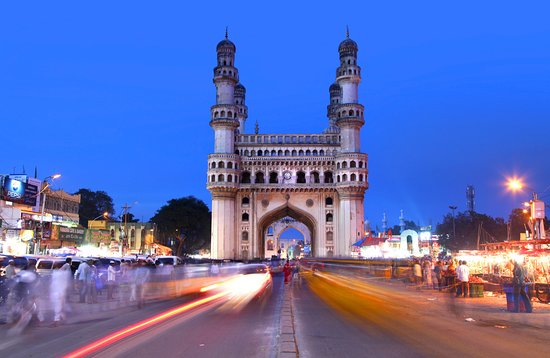
Hyderabad is becoming a hub for pharmaceutical innovation with the creation of India’s largest $1.5 billion research cluster.
Hyderabad is becoming a hub for pharmaceutical innovation with the creation of India’s largest $1.5 billion research cluster. Leading national pharmaceutical companies including Dr. Reddy’s Laboratories, Sun Pharma and Biocon have teamed up with government research institutes for this ambitious project. The 50-hectare site will host a massive infrastructure including a Biosimilar Development Center, gene therapy laboratories, manufacturing facilities for next-generation vaccines and a biotech startup gas pedal. The main focus of research will be on the creation of drugs for the treatment of cancer, new-generation insulins, vaccines against tropical diseases and genetically engineered therapeutics.
The project is receiving significant government support: 30% R&D tax incentives, accelerated regulatory approval procedures and special customs conditions for equipment imports. The cluster is expected to reduce the time to bring new drugs to market from 7 to 4 years and increase India’s share of the global biosimilars market to 25%. The project will create 10,000 highly qualified jobs, and it is planned to attract $500 million of foreign investment in the first 5 years.
Special attention is paid to personnel training – the Academy of Pharmaceutical Sciences with joint programs of MIT and Swiss technical universities is being created on the basis of the cluster. The first production facilities will start operating in 2026, and the project is expected to be fully completed by 2029. This ambitious project will strengthen India’s position as the “pharmacy of the world,” reduce dependence on imports of complex biologics, and is estimated to generate up to $5 billion in annual revenue from exports of innovative medicines by 2030. The realization of the cluster marks a new stage in the development of the Indian pharmaceutical industry, bringing the country to the forefront of biotechnology and the development of advanced therapeutic solutions.

India launches a grandiose infrastructure project the East-West Economic Corridor
India has completed the first phase of the large-scale transportation project “East-West Economic Corridor”, which will become a new artery of the national logistics system. This ambitious infrastructure megaproject will connect the port facilities of Goa with the industrial centers of West Bengal, creating a continuous transport chain over 2,000 kilometers long.
The $12.5 billion project includes construction of:
8-lane expressways with intelligent traffic management system
12 modern multimodal logistics hub
25 automated cargo terminals
Specialized railway lines for container transportation
Special attention is paid to the introduction of “green” technologies: charging stations for electric trucks and regenerative power supply systems are being created along the entire route.
The economic effect of the project is already being seen:
✔ Reduction of cargo delivery time between the west and east coasts from 7 to 3.5 days
✔ Reduction of logistics costs by 25-30%
✔ Creation of 150,000 new jobs
✔ Increase GDP of participating states by 1.2-1.8%
Full completion is scheduled for 2028, but the corridor already serves up to 15% of interregional freight traffic. The project has become a key element of the national “Gati Shakti” program and demonstrates India’s determination to modernize its transport infrastructure to boost economic growth.
Analysts note that the realization of such a large-scale corridor will not only strengthen domestic trade ties, but also increase the competitiveness of Indian goods in global markets by reducing the cost of logistics.